Attention Is the New Commons | The Ardent Way
Attention shapes behavior, health, and connection. Learn why it has become a shared resource and how to reclaim it through presence, and intention.
By
January 26, 2026
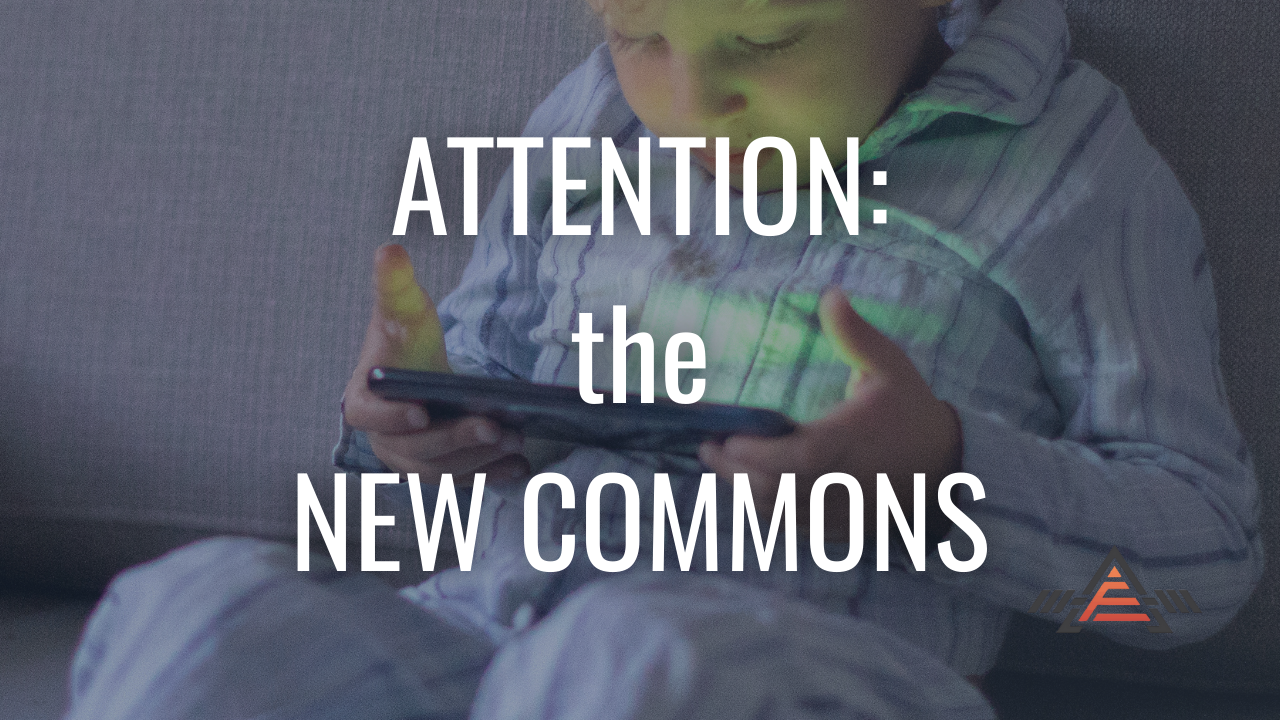
We often talk about health in terms of food, movement, sleep, or stress. What we rarely talk about is attention. What we give it to. Who takes it from us. And what happens when it is constantly fragmented.
Attention is not just a mental skill. It is a shared resource. And right now, it is being depleted.
Attention shapes behavior before motivation ever gets involved. It determines what we notice, what we ignore, and what feels possible on any given day. When attention is scattered, health behaviors become harder not because people lack discipline, but because their mental environment is hostile to consistency.
You cannot build sustainable habits in an environment that constantly pulls your focus away from what matters.
Historically, the commons referred to shared resources like land, water, or grazing fields. They belonged to no one individual, but everyone depended on them. The health of the commons required stewardship, boundaries, and shared responsibility.
When the commons were overused or enclosed, communities suffered.
Today, attention functions in much the same way.
Modern systems are built to capture and monetize attention. Platforms compete not for your time, but for your focus. Algorithms reward outrage, novelty, and comparison because those emotions hold attention longer.
This is not a moral failure on the part of individuals. It is an environmental problem.
When attention is constantly pulled outward, people lose the capacity for depth, presence, and reflection. That loss shows up as anxiety, fatigue, and difficulty sustaining meaningful change.
Fragmented attention increases stress and reduces recovery. It makes planning feel overwhelming and rest feel unproductive. It turns small setbacks into reasons to quit because there is no mental space to adapt.
This is why so many health plans fail. Not because the plan is wrong, but because attention is constantly hijacked.
Behavior does not fail in isolation. It fails inside environments that demand too much focus for too little return.
The Ardent Way treats attention as foundational.
Connection requires presence. You cannot build meaningful relationships while half listening or constantly distracted.
Restoration requires protected mental space. Recovery is not just physical. It is the ability to disengage from constant input.
Resilience is revealed by where attention goes under stress. When pressure hits, attention either fragments or returns to what matters.
Vitality is supported when attention is aligned with values rather than pulled by noise.
This does not require radical change. It requires intentional friction.
1. Delete social media from your phone. Not forever. Just remove the automatic access that turns idle moments into consumption. Don't make a post about it, don't tell people, and don't overthink it. I deleted mine weeks ago, but I also require it for Ardent. I check it through my computer but this requires intention with my attention. Try it. Opt out.
2. Listen without waiting for your turn to speak. This restores attention to relationships and rebuilds connection.
3. Practice empathy as an attention skill. Choose to understand before reacting.
4. Create distance between yourself and infinite feeds. Use browsers instead of apps. Turn off nonessential notifications.
Choose depth over volume. Fewer inputs. Longer focus. Better outcomes.
Habits fail when attention is fragmented. Not because people do not care, but because caring requires focus.
Environment shapes behavior more reliably than willpower. When attention is protected, change becomes quieter, steadier, and more sustainable.
This is why the Ardent Way emphasizes structure, ritual, and alignment rather than intensity or constant motivation.
.png)
Attention is the new commons because it shapes collective health. When it is extracted without limits, everyone pays the price. When it is stewarded with care, individuals and communities thrive.
Reclaiming attention does not start with doing more. It starts with noticing where your focus goes and choosing, again and again, to bring it back to what matters.
That choice is not dramatic. It is powerful.
And it is available to you right now.

.jpg)
.jpg)
.jpg)

.jpg)
.jpg)
.jpg)
.jpg)

.jpg)
.png)
.jpg)
.png)
%20(1).jpg)
.jpg)
.png)
.png)


.png)
.png)


.png)


%20(Instagram%20Post).png)
.jpg)


.png)

.png)