Redesign, Not Restriction
Instead of going on another diet, redesign your environment. Sustainable weight loss begins with friction, attention, and habit architecture. Not temporary restriction.
By
February 16, 2026
.jpg)
Self-Regulation, Ego Depletion, and Motivation

Ultra-Processed Diets Cause Excess Calorie Intake and Weight Gain: An Inpatient Randomized Controlled Trial of Ad Libitum Food Intake
A new look at habits and the habit-goal interface
Effect of a cognitive behavioural therapy intervention to improve sleep on food preferences: A randomized controlled trial in adults with overweight and obesity
When someone says they are going on a diet, it usually sounds like a moment.
A start date.
A reset.
A push.
But health is not built in moments.
It is built in environments.
Most diets fail for three reasons.
First, they go to extremes.
Second, they do not change the environment.
Third, they treat health like punishment instead of opportunity.
That combination almost guarantees regression.
The Problem With “Going On” Something
A diet is often framed as temporary suffering in exchange for a high impact result.
Cut hard.
Push hard.
Endure it.
But what happens after?
If the kitchen goes back to normal, the weight usually follows.
If the stress stays the same, the habits stay the same.
If sleep is still inconsistent, cravings stay elevated.
Nothing fundamental shifted.
Temporary intensity rarely produces sustainable health.
Cognitive Overload Is Real
Most people are already overloaded.
Work.
Family.
Phone.
Notifications.
Deadlines.
Parenting.
Then we add food tracking, restriction, constant monitoring, and self correction.
That is not neutral. That is cognitive load.
When someone is exhausted, they oscillate.
Strict for a few days.
Careless for one.
Ashamed after that.
Then they either double down or quit.
Fragmented attention creates fragmented eating.
A single binge becomes a narrative.
Instead of saying that was one moment, the story becomes, "I ruined it."
That is not a nutrition problem.
That is an attention and structure problem.
Friction Is Not Restriction
Restriction says I cannot have that.
Friction says it is not easily available.
If sugary drinks are not in your house, you are less likely to drink them. Not because you are more disciplined, but because you added a layer of effort before consumption.
If unhealthy snacks are not visible or accessible, you remove hundreds of micro decisions per week.
That reduces cognitive load.
You are not battling yourself.
You are designing around human behavior.
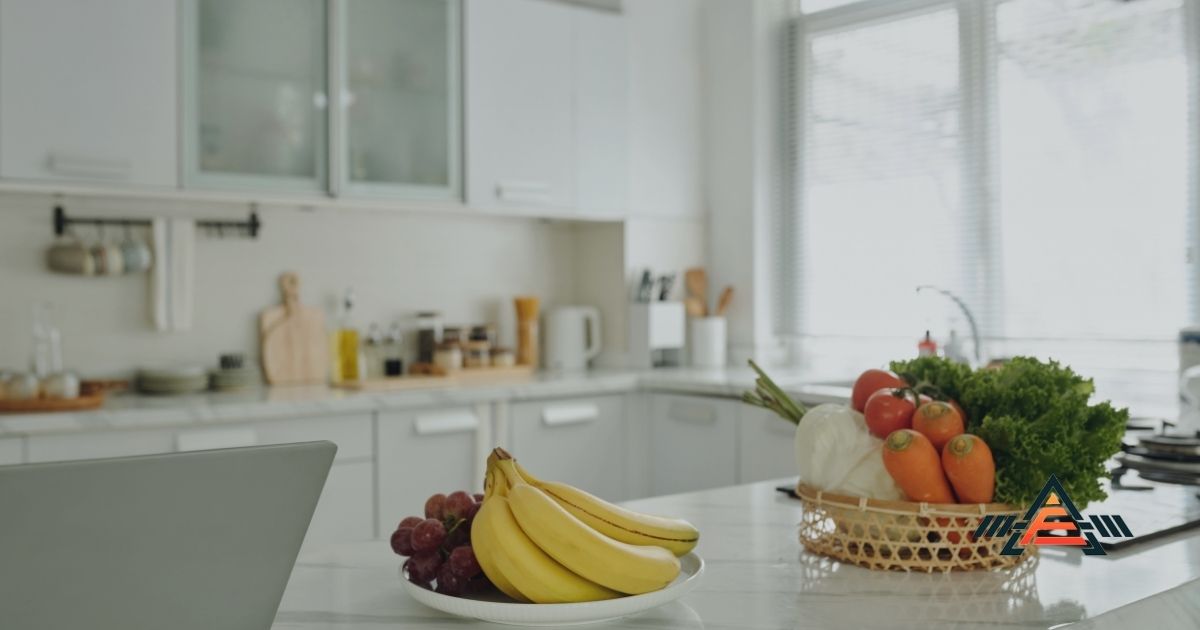
Redesigning your kitchen before redesigning your macros is powerful.
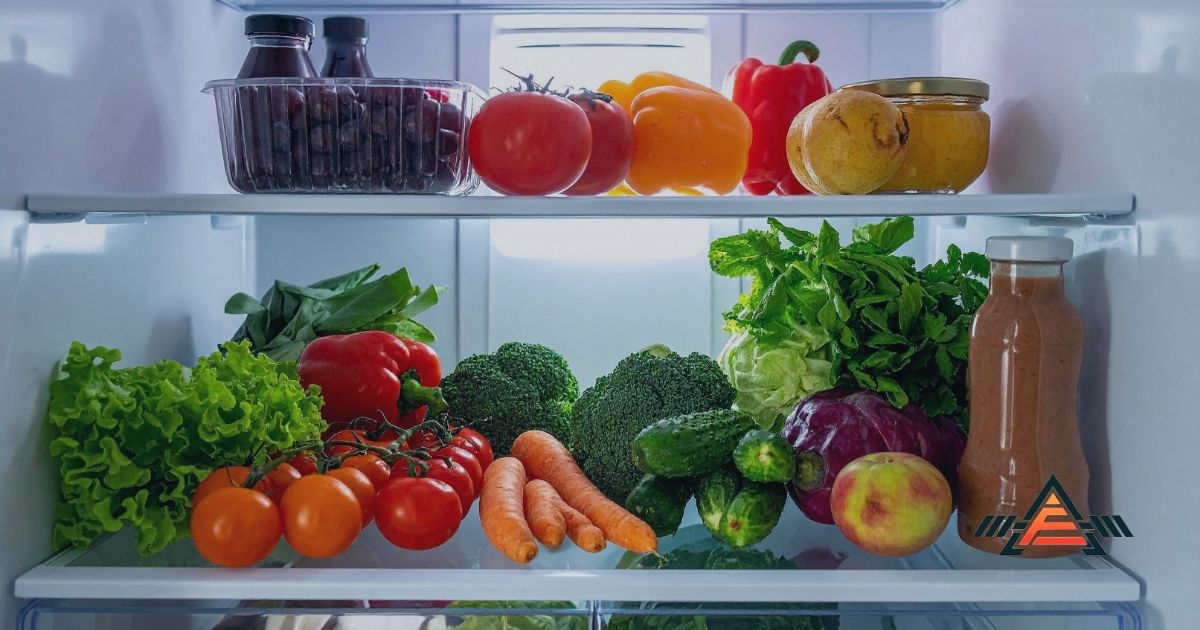
Healthy food visible.
Grab and go options that support your goals.
Hyper palatable foods removed entirely.
That is not punishment.
That is architecture.
We need to NOT set ourselves up for failure, which most fad diets, cleanses, and challenges do by design.
The Cascade Can Move Both Directions
Most people experience the downward cascade.
One indulgent night becomes a binge.
A binge becomes shame.
Shame becomes an all or nothing mindset.
All or nothing becomes momentum in the wrong direction.
But the cascade can reverse.
Remove frictionless junk food.
Improve sleep slightly.
Move your phone out of the bedroom.
Create a simple ritual around meals.
Now you feel calmer.
You sleep deeper.
You snack less without trying as hard.
You start losing weight without obsessing.
You are not forcing change.
You are allowing it.
There is one pattern that almost guarantees failure.
The cheat day mindset.
It assumes you are either on or off.
Good or bad.
Disciplined or weak.
That is not how sustainable health works.
A moment does not define your identity.
A deviation does not define your trajectory.
When your environment is designed well, a single indulgence does not derail you.
It gets absorbed.
That is structure. Not intensity.
Responsibility Without Shame
You are responsible for your environment.
But it is not entirely your fault that it is difficult.
We live in a system designed for frictionless consumption.
Food is engineered to be hyper palatable.
Alcohol is normalized.
Snacking is constant.
Attention is fragmented.
No one is the villain in their own story.
If someone feels defensive reading this, it is often because comfort is being challenged.
Comfort feels safe.
Structure feels demanding and possibly restrictive.
But structure creates freedom from restriction.
This Is Bigger Than Food
I do not want to get into protein targets or metabolic formulas here.
This is broader.
Attention lives upstream of everything.
Nutrition impacts vitality.
Sleep impacts restoration.
Ritual cements habits into identity.
If you redesign your environment, you reduce the need to constantly fight yourself.
You remove decision fatigue.
You create natural guardrails.
You allow healthier choices to become default.
That is sustainable weight loss.
Not a crash.
Not an intervention.
Not a punishment.
A redesign.
Where This Is Going
Next month, we are going to talk about weight loss.
Not as a challenge.
Not as temporary suffering.
Not as a moral test.
We are going to talk about how environment shapes outcome.
If you are curious about how redesign can change the direction of your health without extreme restriction, stay with us.
There is a better way forward than starting over again. You can also schedule a No Sweat Intro below and we can help you find a way forward, even if you feel hopeless or lost.
.jpg)
.jpg)
.jpg)
.jpg)

.jpg)

.jpg)
.jpg)
.jpg)

.jpg)
.png)
.png)
%20(1).jpg)
.jpg)
.png)
.png)



.png)
.png)


.png)


%20(Instagram%20Post).png)
.jpg)


.png)

.png)